Boutique Hotel Group — Multi-Property Site, PSD to WordPress
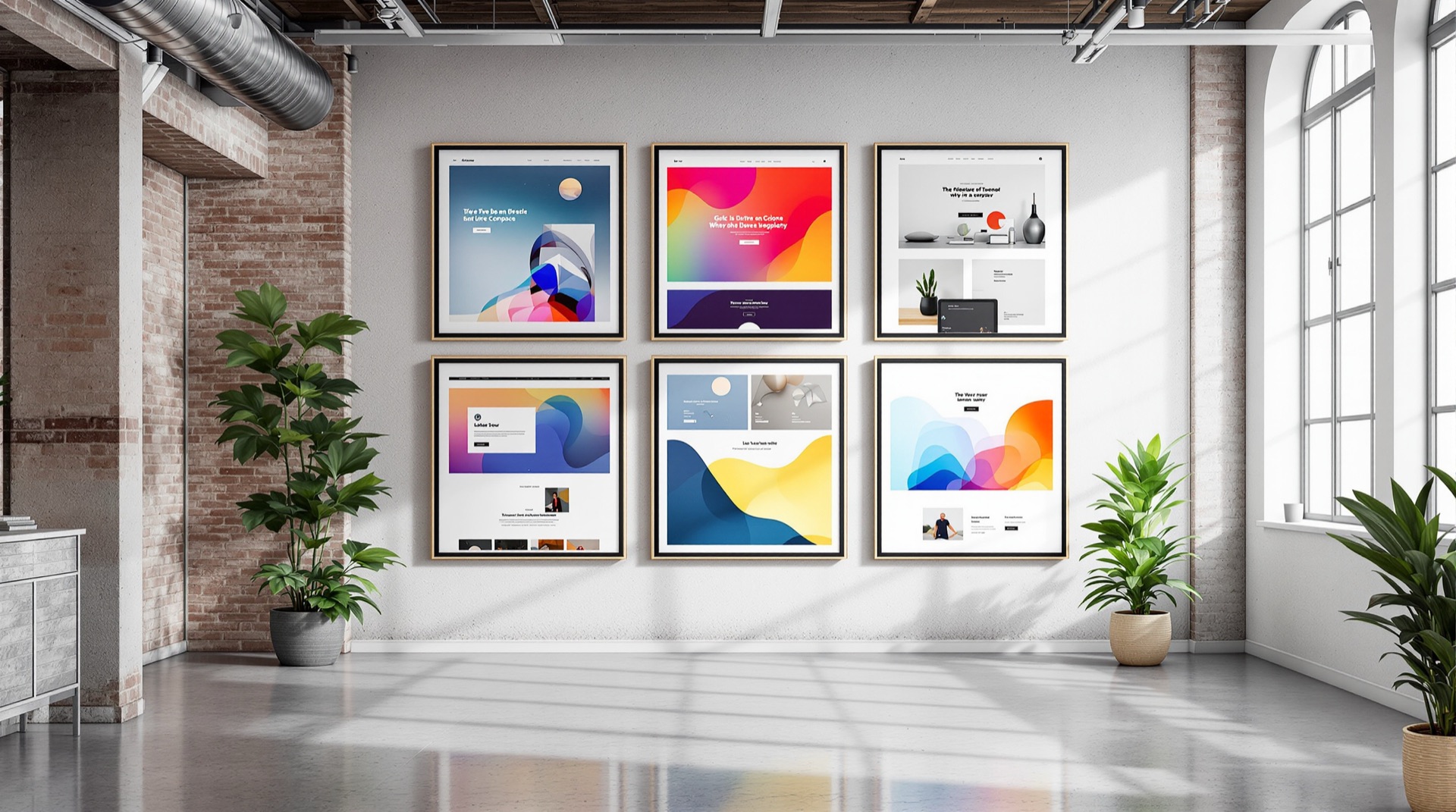
A hospitality design agency brought us a richly photographic design for a family of boutique hotels: full-bleed imagery, overlapping content cards, and a booking-enquiry flow on every page. We delivered a WordPress theme with a custom property post type, per-property color theming driven by editor-selectable palettes, and art-directed responsive images so the photography stayed striking on phones without drowning mobile bandwidth. The agency's editors now launch a new property microsite in under an hour.
Architecture Studio — Portfolio Site, PSD to HTML
A Central European architecture practice needed their minimalist portfolio design converted with absolute typographic fidelity — the design was the typography. We hand-built the type system with fluid scaling between breakpoints, implemented a keyboard-accessible project gallery with zero framework dependencies, and delivered static HTML the studio's own developer could fold into their publishing setup. Total page weight for the homepage came in under 400KB including imagery.
E-Commerce Skincare Brand — Front-End System, Responsive HTML
An e-commerce design team handed us nine PSDs and a deadline tied to a product launch. We converted the design into a component-based front-end system — product cards, review modules, basket drawer, checkout steps — documented so their platform developers could wire it to their store backend. Because we coded components rather than pages, their team assembled two additional landing pages we never saw designs for, and they looked right the first time.
Regional News Magazine — Newsletter System, Email Templates
A publisher needed their daily and weekly newsletters rebuilt after a redesign: modular blocks their editors rearrange every morning, dark-mode safe, and renderable in the notoriously awkward desktop clients their older readership favors. We delivered a hybrid-responsive template system with annotated rendering screenshots across every major client, and their unsubscribe rate dropped measurably in the first month — readable email gets read.
SaaS Startup — Marketing Site, PSD to HTML with Animation
A product designer's launch site leaned on scroll-triggered animation and a live-looking product mockup sequence. We implemented the animations with intersection observers and CSS transitions — no animation library — honoring reduced-motion preferences for users who opt out, a pattern well documented on MDN. The site scored green on Core Web Vitals at launch despite the motion-heavy design.
Cultural Foundation — Bilingual Site, PSD to WordPress
A foundation needed its archive of essays and event pages served in two languages with mirrored navigation — same design, different text lengths, and one language running roughly thirty percent longer than the other. We built the theme with fully translation-ready strings and stress-tested every component against the longer language, so neither version looks like the afterthought. Editors maintain both languages from one dashboard, and the design holds its composure in both. Bilingual builds punish brittle CSS like nothing else; this one shipped without a single layout exception.
The Pattern Across All of Them
Different industries, one standard: semantic markup, validated code, real-device testing, and pixel fidelity to the approved design. The same checklist runs whether the project is one page or fifty. The process page explains the workflow, and the project brief checklist covers the inputs used for scoping.