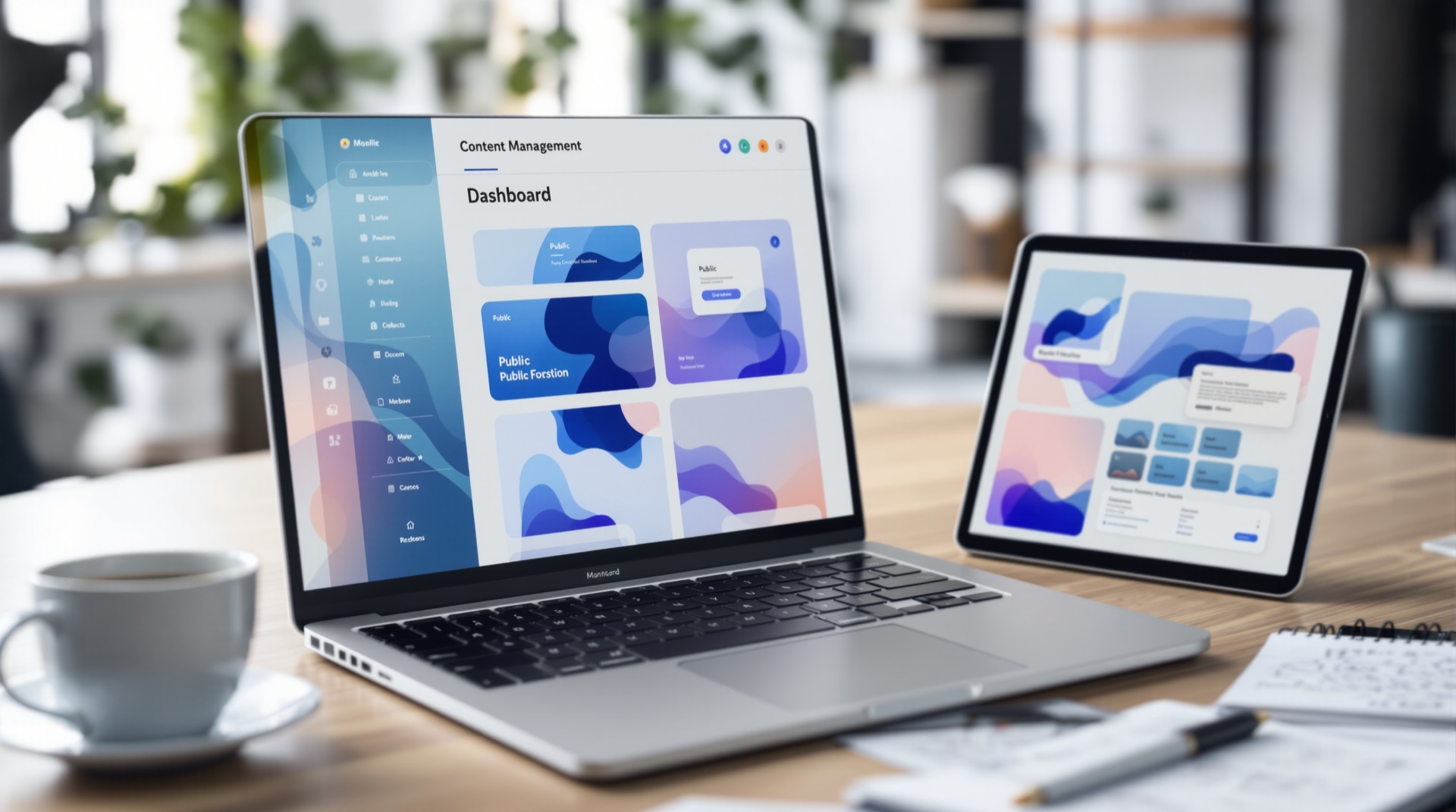
What a PSD Loft Theme Includes
- A custom theme built from your design — no premium-theme skinning, no page-builder lock-in. The theme is yours, built for this design alone.
- Block-editor support — content areas map to native blocks and, where the design calls for it, custom block patterns, so editors assemble pages that always look designed.
- Custom post types and fields where appropriate — portfolios, team members, testimonials and similar structured content modeled properly instead of crammed into generic pages.
- Template hierarchy done right — archive, single, search and 404 templates that follow the conventions documented in the official WordPress Theme Handbook.
- Performance discipline — only the scripts and styles a page needs are enqueued, images are sized responsively, and we keep third-party dependencies to a minimum.
Coding Standards and Security
All theme code follows the official WordPress Coding Standards — consistent escaping of output, sanitization of input, translation-ready strings, and properly prefixed functions. These rules exist because the alternative is the long tail of theme vulnerabilities and white-screen errors that give the platform a bad name. A standards-compliant theme is easier to audit, easier to extend, and dramatically less likely to break when WordPress core updates.
Editor Experience Is a Design Deliverable
The least appreciated part of theme development is constraining the editor just enough. Give content editors total freedom and the design erodes one update at a time; lock everything down and they cannot do their jobs. We thread that needle with curated block patterns, sensible color and typography palettes registered in the theme, and editor styles so the back end previews look like the front end. Your client gets creative freedom inside the boundaries of your design — which is exactly where it belongs.
Migration and Handover
Need existing content moved into the new theme? We handle imports, menu structure, widget areas and featured-image backfills as part of the project scope. Every theme ships with a plain-language handover document explaining where everything lives — written for the site owner, not for a developer. If your team prefers a video walkthrough, ask; recording one takes us twenty minutes and saves your client hours.
Static First, Theme Second
Internally, every WordPress project starts as a hand-coded static build — the same semantic, validated HTML and CSS we deliver on pure markup projects. Only when the static front-end is pixel-accurate do we template it into PHP. This two-stage approach is why our themes render fast and stay maintainable: the markup was designed as markup, not generated as a side effect.
Plugins We Reach For — and the Ones We Refuse
Our themes assume as little as possible about the plugin landscape. Where structured content needs custom fields, we use the established, widely maintained options and document every field group; where a requirement can be met in the theme itself with a few lines of honest code, we skip the plugin entirely. What we will not do is build your design on top of a page-builder plugin and call it a custom theme — that locks your client into a subscription, bloats every page load, and makes the eventual migration somebody's nightmare. Fewer moving parts means fewer update conflicts, faster pages, and a site that is still maintainable when the plugin fashions of 2026 have moved on.
Timeline and Quotes
A typical custom theme from an approved design takes between one and three weeks depending on the number of unique layouts and the amount of structured content involved. Read about how pricing works, check the project process, and use the project brief checklist to define the scope.